Empowering our clients and community with the knowledge that keeps projects safe, compliant, and efficient — from design fundamentals to workplace hazard prevention.
Every construction project — whether a factory floor, a commercial complex, or an infrastructure installation — depends on a sound electrical design at its foundation. Skipping or under-investing in this phase is one of the most common and costly mistakes project owners make. Electrical systems that are improperly designed or sized lead to repeated shutdowns, safety violations, costly retrofitting, and in worst cases, serious accidents.
A professional electrical design ensures that load calculations are accurate, cable sizing is compliant with IE Rules and IS standards, protection coordination is in place, and future scalability is accounted for. Enervia's design team works from the project's concept phase, integrating electrical planning with civil and mechanical timelines so that surprises at commissioning become a thing of the past.
High Tension (HT) and Low Tension (LT) are classifications of electrical supply based on voltage levels. In India, systems operating above 1,000 volts AC are classified as HT, while those at or below 1,000 volts are LT. For most small commercial establishments, an LT supply (typically 415V three-phase or 230V single-phase) from the grid is sufficient. However, industries, large factories, data centres, and hospital campuses often require an HT connection that steps voltage down on-site through a transformer.
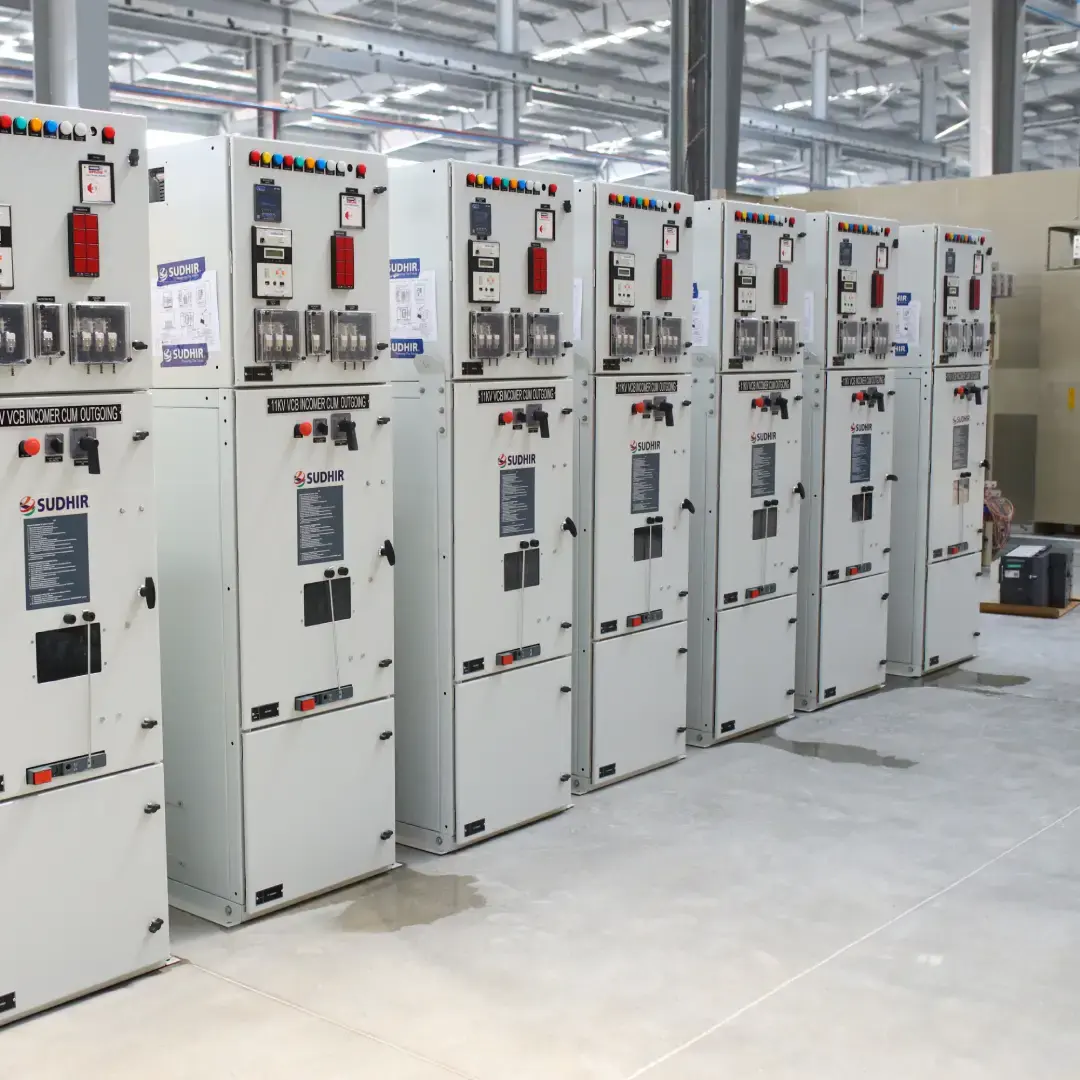
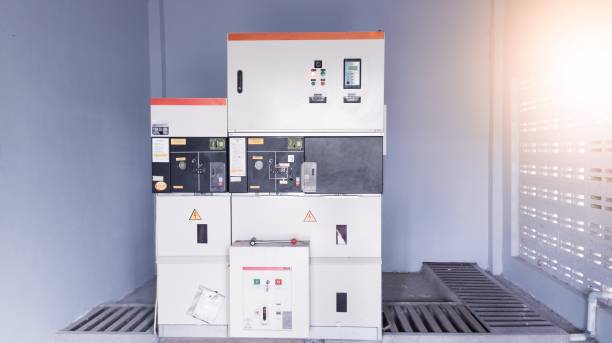
Choosing between HT and LT supply is a techno-economic decision that depends on your peak demand, site area, reliability requirements, and capital budget. HT connections typically involve lower tariffs per unit but require you to own and maintain a transformer and associated switchgear — a responsibility that requires expert oversight.
Suitable for loads up to ~100 kVA. The utility provides the transformer; you own the LT panel downstream. Lower initial investment but higher tariff per unit in some states.
Required for large loads (>100 kVA to several MVA). You own the HT metering and transformer. Lower unit cost but involves capital investment and O&M responsibility.
Did you know? In Tamil Nadu, consumers with contracted demand above 100 kVA are typically served on HT tariff under TANGEDCO norms. Connecting to the wrong category can result in heavy penalties and disconnection.
Before any commercial or industrial premises can receive an electricity connection from TANGEDCO (Tamil Nadu Generation and Distribution Corporation), a formal approval process must be completed. This involves preparing and submitting electrical drawings signed by a licensed electrical supervisor, complying with IE (Indian Electricity) Rules 2023, paying applicable fees, inspecting the installation, and receiving a usage certificate.
Many project owners attempt to shortcut this process by relying on informal connections or deferring EB approval until after operations begin. This exposes businesses to serious legal risk including reconnection fees, mandatory installation rectifications, fines, and in extreme cases, criminal liability under the Electricity Act 2003. Beyond compliance, EB-approved installations have been inspected for safety, giving facility owners and insurers greater confidence.
An electrical safety audit is a systematic, documented examination of an electrical installation to evaluate whether it meets current safety standards, regulatory requirements, and industry best practices. Unlike routine maintenance, a safety audit is an independent review — often conducted by a third party — that takes an objective view of risks that in-house teams may be habituated to overlooking.
In Tamil Nadu, many factories and commercial buildings continue to operate with electrical systems that were installed a decade or two ago and have never been formally audited. Ageing cables, overloaded circuits, missing earthing connections, poorly maintained switchgear, and inadequate arc flash protection are among the most commonly found hazards. An audit report provides a prioritised action plan with cost estimates, allowing facility managers to address critical risks immediately while scheduling others.
HT & LT panels, bus ducts, cables, earthing systems, UPS, DG sets, lighting, fire alarm integration, and emergency systems.
Detailed observation report, risk rating (critical/major/minor), photographic evidence, compliance gap summary, and a prioritised rectification plan.
Insurance Implication: Several industrial insurers now require periodic third-party electrical safety audits as a precondition for policy renewal or claims settlement. Having an audit trail can make a significant difference.
Circuit breakers are the critical protection devices in any electrical system — they interrupt fault currents and protect expensive equipment and human lives. However, unlike other equipment, breakers can sit idle for months without tripping, giving a false sense of reliability. Studies consistently show that poorly maintained breakers fail to operate correctly during fault conditions — precisely when they are needed most.
HT circuit breakers (Vacuum Circuit Breakers / SF6 breakers) and LT circuit breakers (ACBs, MCCBs) each have specific maintenance protocols involving insulation resistance testing, contact resistance measurement, timing tests, mechanical operation checks, and cleaning of arc chambers. Enervia's servicing team carries out periodic overhauls and provides detailed test reports that serve as compliance documentation for insurance and regulatory purposes.
Electricity is one of the largest operating costs for any manufacturing or commercial facility. For many medium-scale industries in Tamil Nadu, the electricity bill can account for 30–50% of total production cost. Yet, it is common to find significant inefficiencies embedded in aging electrical infrastructure — from poor power factor to oversized transformers running at low loads, from mismatched motor ratings to poorly scheduled demand peaks.
Electrical energy efficiency is not just about switching to LED lights. It is a systematic programme involving load profiling, power factor correction, voltage optimisation, VFD installation on motors, demand management, and monitoring. Enervia helps facility teams identify the highest-impact opportunities through energy audits and implement solutions that deliver measurable savings with a defined payback period.
A low power factor (below 0.9) attracts surcharges from TANGEDCO. Installing APFC panels can reduce your electricity bill by 5–15% and improve system capacity.
Over 65% of industrial electrical energy is consumed by motors. Installing VFDs (Variable Frequency Drives) on variable load motors can yield 20–40% energy savings.
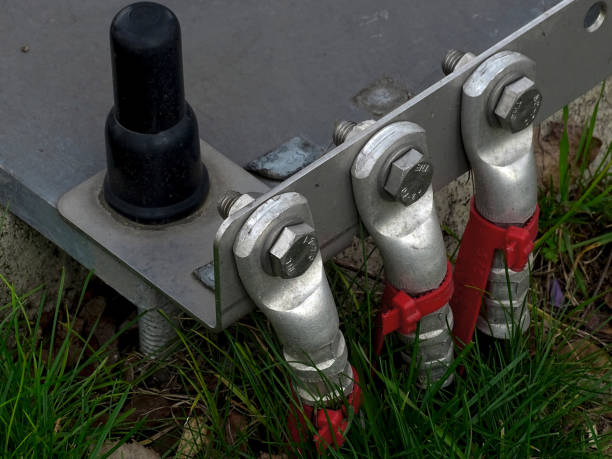
Earthing (or grounding) and lightning protection are among the most misunderstood yet critically important aspects of any electrical installation. A robust earthing system provides a safe path for fault currents to dissipate into the ground, protecting both personnel and equipment. Without it, a single earth fault can result in lethal electric shock, equipment damage, and fire.
Lightning protection goes hand-in-hand with earthing — a standalone lightning rod without an effective earthing system is essentially useless. For tall buildings, rooftop structures, substations, and facilities housing sensitive electronic equipment or explosive materials, a formal lightning protection system designed per IS/IEC standards is not optional — it is a safety and insurance requirement.
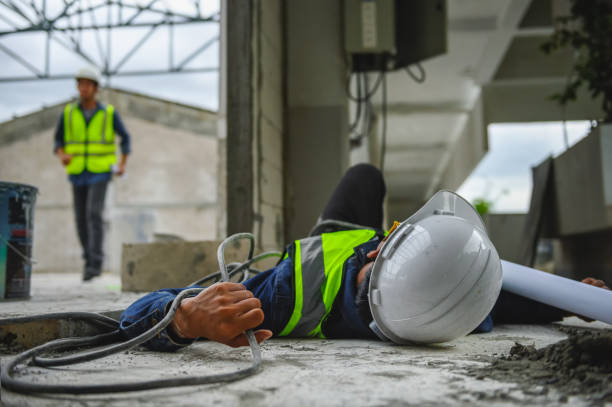
Electrical hazards are responsible for a significant portion of industrial fatalities and fires across India each year. The most common causes include exposed conductors, overloaded circuits, improper use of extension cords, absence of lockout-tagout (LOTO) procedures, working on live circuits, and failure to use proper PPE. Many of these accidents are entirely preventable with the right training, procedures, and maintenance culture.
Creating an electrically safe workplace requires more than just putting up warning signs. It demands a systematic approach: hazard identification, risk assessment, implementation of engineering controls, administrative controls, and PPE programmes. For plants handling high voltage or high current systems, a formal electrical safety programme aligned with IS 5216 or equivalent international standards is strongly recommended.
Before any maintenance on electrical equipment, a formal LOTO procedure ensures that energy sources are isolated, locked, and tagged so no one can accidentally energise the circuit while work is in progress.
Arc flash incidents can release temperatures exceeding 19,000°C. Workers near HT or high-current LT equipment must wear arc-rated PPE — this is not the same as standard insulated gloves.
Warning: Never assume a circuit is de-energised without verifying with a calibrated voltage tester. "Looking dead" does not mean it is dead — always test before touch, every time.
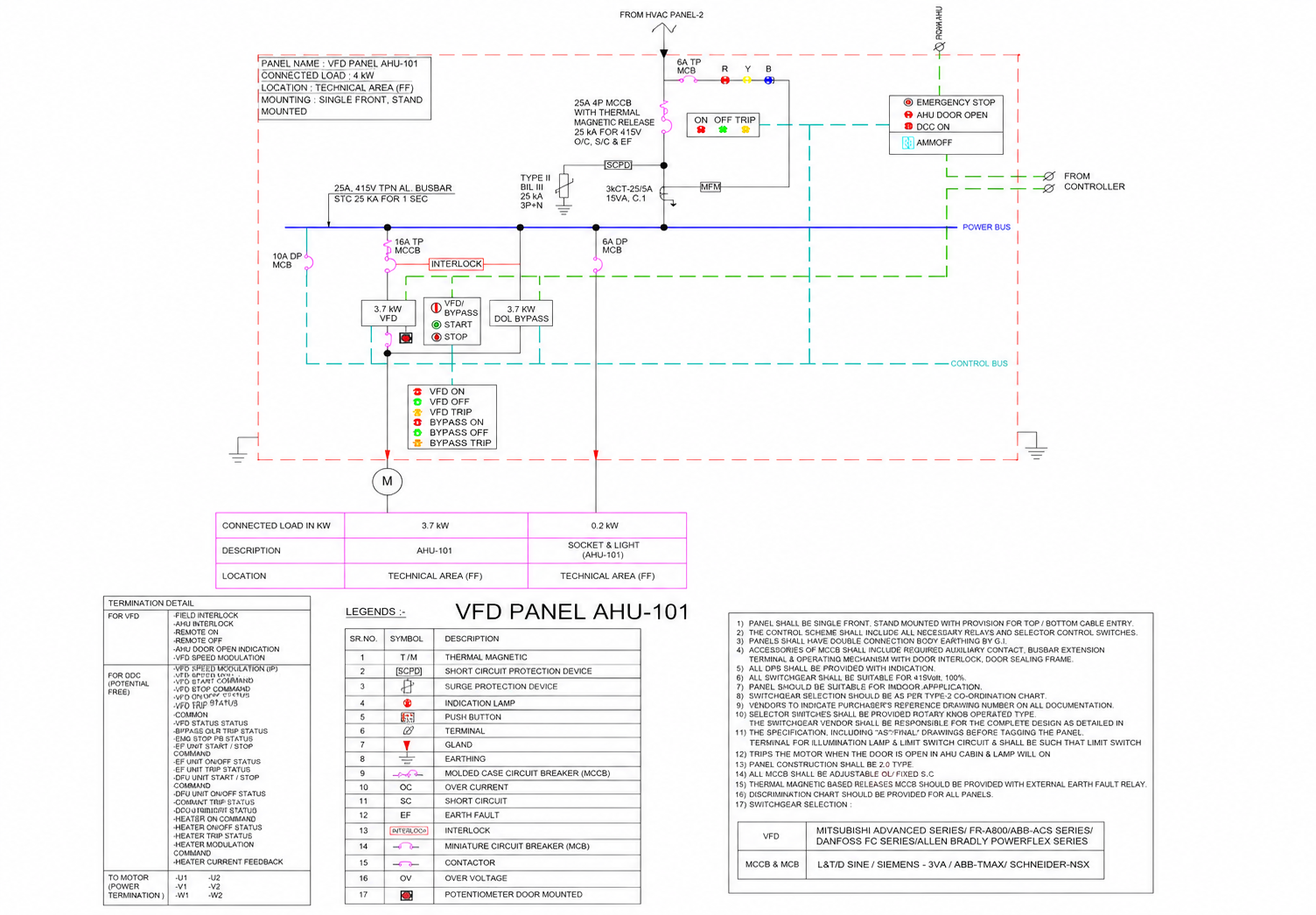
A Single Line Diagram (SLD) — also called a one-line diagram — is the most important document describing any electrical installation. It uses standardised symbols to show the configuration of the entire electrical system on a single diagram, from the incoming power source through transformers, switchgear, distribution panels, all the way to major loads. Understanding even the basics of an SLD helps facility owners, project managers, and operations teams communicate more effectively with electrical engineers and make better-informed decisions.
An SLD does not show physical wiring or cable routes — it shows the system's logical hierarchy. A typical industrial SLD will show the incoming HT metering panel, the power transformer, the main LT distribution board (MLDB), sub-main distribution boards (SMDBs), motor control centres (MCCs), and feeder details including cable ratings, protective device ratings, and transformer capacity.
Always insist on receiving an updated "As-Built" SLD from your electrical contractor after project completion. Outdated drawings are one of the most dangerous documentation failures in industrial settings.
The electrical engineering domain offers one of the broadest and most resilient career landscapes — from design and consulting to operations, safety, and project management.
Whether you are a fresh ITI or Diploma graduate or an experienced professional looking to level up, Enervia's Training & Placement team is here to guide your next move with personalised career counselling, skill development, and placement linkages.
Entry-level roles include Junior Electrician, Electrical Draughtsman, Site Supervisor, and Junior Design Engineer. Fresher salaries in Tamil Nadu's manufacturing belt range from ₹12,000–₹22,000/month, growing rapidly with experience. Focus on getting hands-on experience in panel wiring, cable laying, and commissioning during your first 2 years.
Mid-career opportunities include Electrical Design Engineer, Project Manager, Safety Officer, O&M Head, and Consultant roles. Certifications in AutoCAD Electrical, ETAP, energy auditing (BEE certification), and safety (NEBOSH/IOSH) significantly enhance earning potential and credibility.
Manufacturing & automotive, power generation & distribution, real estate & construction, data centres, EPC contractors, and government infrastructure projects. Tamil Nadu's industrial corridors (SIPCOT, TIDCO) are a growing source of opportunity.
Electrical Supervisor License (Grade I/II) from TANGEDCO/Electrical Inspectorate is a career-defining credential. Additional value comes from BEE Certified Energy Auditor, AutoCAD Electrical proficiency, and safety certifications like NEBOSH IGC.